Botox for Women in Midlife: How It Works, Where It Helps, and Common Myths
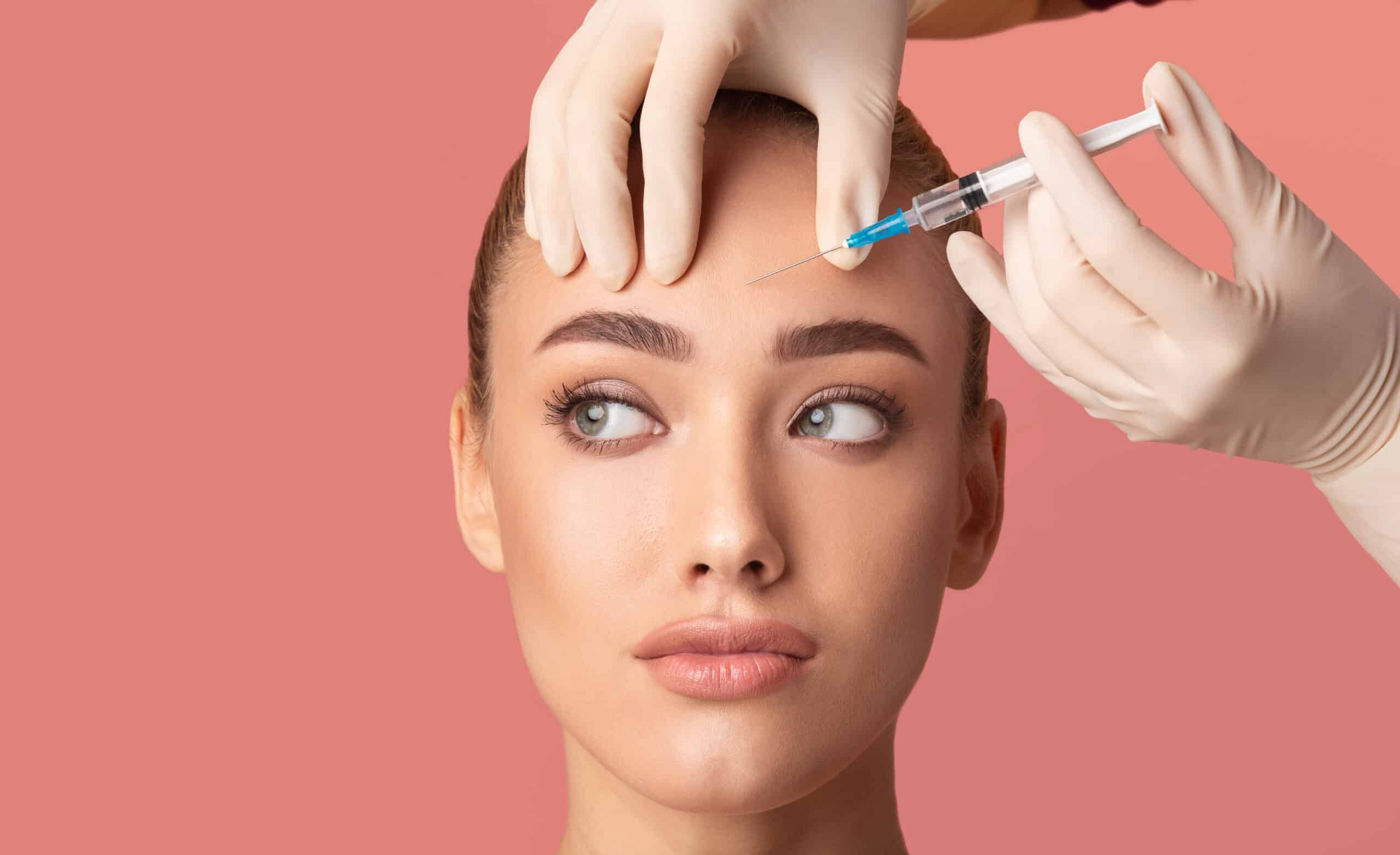
Botox is one of the most well-known treatments in aesthetic medicine, yet it’s also one of the most misunderstood.
Many women in their 40s and 50s visit aesthetic clinics feeling curious but slightly hesitant. They’ve heard about Botox for years and may have seen friends try it. At the same time, they’ve also noticed results that appear stiff or unnatural, which makes them unsure whether it’s the right choice.
Much of this confusion comes from a simple problem: most people are never clearly told what Botox actually does.
Once you understand how Botox works and what it is designed to treat, it becomes easier to see how it can fit into a balanced approach to aging gracefully.
For many women in midlife, Botox can be a useful tool when applied thoughtfully. It can soften expression lines, enhance facial harmony, and even help prevent deeper wrinkles from forming. However, it’s important to remember that Botox is not a solution for every aging concern.
Let’s explore how Botox works, where it’s most effective, and what you should know before deciding if it’s right for you.
Table of Contents
ToggleWhat Botox Actually Is
Botox belongs to a group of medications known as neuromodulators.
Neuromodulators work by temporarily relaxing targeted muscles. They do this by interrupting the signal that travels between a nerve and a muscle. When that signal is reduced, the muscle contracts less forcefully.
This process matters because many wrinkles develop from repeated facial movements.
Every time you raise your eyebrows, squint, or frown, the skin folds along the same areas. Over time, these repeated movements create lines that eventually remain visible even when your face is relaxed.
Botox helps by softening those muscle contractions. As the muscles relax, the skin folds less deeply, which gradually smooths expression lines.
This is why Botox is most effective for dynamic wrinkles, or wrinkles caused by facial movement.
Common examples include:
-
Forehead lines
-
Frown lines between the eyebrows
-
Crow’s feet around the eyes
Understanding this also clarifies what Botox cannot do.
Botox does not add volume to hollow areas, tighten loose skin, or restore facial fullness. Those concerns typically require other treatments.
Botox vs. Dermal Fillers: Knowing the Difference
One of the most common misunderstandings is that Botox and dermal fillers serve the same purpose.
In reality, they work in very different ways.
-
Botox relaxes muscles.
-
Dermal fillers restore lost volume beneath the skin.
If wrinkles develop because of repeated muscle movement, Botox may help soften them. But if someone has under-eye hollows, thinner lips, or reduced cheek volume, fillers may be a better solution.
Although Botox and fillers are different, they are often used together to address multiple aspects of facial aging.
Common Treatment Areas for Botox
Many people associate Botox with the upper face, particularly the forehead and crow’s feet. These areas remain some of the most effective treatment sites.
However, skilled injectors can also use Botox in other parts of the face.
Upper Face
The most frequently treated areas include:
-
Horizontal forehead lines
-
Frown lines between the brows
-
Crow’s feet near the eyes
These wrinkles respond well because they are strongly connected to muscle movement.
Midface
With more advanced techniques, Botox can also help address:
-
Bunny lines along the nose
-
Subtle brow lifting or shaping
-
Muscle balance around the eyes
Treatments in this region require precise placement to maintain natural facial expressions.
Lower Face
For women in midlife, Botox treatments in the lower face can become increasingly relevant. Common areas include:
-
Gummy smiles
-
Lip flip treatments
-
Chin dimpling
-
Jawline slimming caused by strong masseter muscles
Because muscles around the mouth influence speaking, eating, and expression, treatments in this area require a highly skilled injector.
Why Botox Placement Matters More in Midlife
Facial aging evolves over time, particularly during the 40s and 50s.
Earlier in life, expression lines on the upper face are often the primary concern. As the years pass, additional changes occur, including loss of facial volume, subtle bone structure shifts, and changes in muscle balance.
Muscles in the lower face may begin pulling downward more strongly with age. This can contribute to heaviness near the mouth, tension in the chin, and early jowl formation.
Strategically placed Botox can sometimes soften these downward muscle forces and restore better facial balance.
For many women in midlife, treating the face as a whole often creates more natural results than focusing only on the forehead.
Where Botox Works Best
Botox is most effective in areas where wrinkles are clearly caused by muscle movement.
Examples include:
-
Frown lines between the brows
-
Crow’s feet around the eyes
-
Forehead expression lines
Regular treatment in these areas can also help slow the progression of deeper wrinkles.
Areas That Require Extra Care
Some facial areas require a more cautious approach.
The muscles around the mouth and chin are essential for speaking, eating, and making expressions. If these muscles are over-relaxed, facial movement may appear unnatural.
Because of this, experienced practitioners use careful dosing and precise injection techniques.
Botox may appear simple, but successful results rely on a deep understanding of facial anatomy.
How to Approach Botox Wisely
If you’re considering Botox, a few key principles can help guide your decision.
Choose an experienced injector.
Results depend heavily on proper technique and a detailed facial assessment.
Aim for subtle results.
The goal is to soften lines while maintaining natural expression—not to eliminate movement entirely.
Understand its purpose.
Botox improves wrinkles caused by muscle activity but does not address volume loss or sagging skin.
A well-planned skincare strategy often combines several treatments over time.
Botox as Part of a Broader Skin Plan
Botox is only one component of maintaining healthy, youthful skin.
Other important factors include:
-
Consistent sun protection
-
High-quality skincare routines
-
Treatments that stimulate collagen production
-
Procedures that restore facial volume
When Botox is used as part of a comprehensive approach, it can help create natural-looking results while preserving facial expression and balance.
The goal isn’t to erase every line. Instead, it’s about maintaining a face that looks vibrant, expressive, and authentically you.
Learn More in the Full Podcast Episode
In the newest episode of The Skin Real Podcast, I discuss Botox in greater depth. The conversation covers advanced injection techniques, strategic placement, and how Botox can support facial balance during midlife.
If you want a clearer, more confident understanding of how Botox works and how to approach it safely, the episode offers valuable insights.
Share this:
- Share on Facebook (Opens in new window) Facebook
- Share on X (Opens in new window) X
- Share on LinkedIn (Opens in new window) LinkedIn
- Share on Reddit (Opens in new window) Reddit
- Share on WhatsApp (Opens in new window) WhatsApp
- Share on Tumblr (Opens in new window) Tumblr
- Share on Pinterest (Opens in new window) Pinterest