Doctor-Backed Solutions to Treat Hyperpigmentation Safely and Effectively
Hyperpigmentation is a common skin issue that affects people of all ages. It often begins as a small dark spot but can gradually develop into more noticeable patches, impacting both appearance and confidence.
The encouraging part? Hyperpigmentation is manageable and treatable. Whether it’s caused by acne scars, sun exposure, hormonal changes, or skin injuries, relying solely on DIY remedies may not give the desired results. Dermatologist-guided treatments and proper skincare can make a significant difference.
This guide breaks down what hyperpigmentation is, why it happens, and the most effective, doctor-approved ways to treat it.
What is Hyperpigmentation?
Hyperpigmentation refers to areas of the skin that appear darker than the surrounding tone. This happens when melanocytes (skin cells) produce excess melanin—the pigment responsible for skin color.
Several factors can trigger this overproduction, including hormones, genetics, and environmental exposure. As a result, hyperpigmentation can appear in different forms:
-
Melasma: Brown or greyish patches, often linked to hormonal changes such as pregnancy or certain medications
-
Sunspots: Dark spots caused by prolonged exposure to UV rays
-
Freckles: Small, light-brown spots, usually genetic but intensified by sun exposure
-
Post-inflammatory hyperpigmentation (PIH): Dark marks left behind after acne, injuries, or burns
In many cases, melanin increases as a protective response against UV damage.
Dermatologist-Recommended Treatments That Actually Work
1. Daily Sunscreen is Non-Negotiable
Consistent sun protection is the foundation of any pigmentation treatment. Use a broad-spectrum sunscreen (SPF 30 or higher) every morning, and reapply every 2–3 hours if you’re outdoors.
Look for formulas with zinc oxide or titanium dioxide and strong UVA protection (PA+++ or higher). Sunscreen not only prevents new spots but also stops existing pigmentation from worsening.
2. Use Proven Topical Ingredients
Dermatologists often prescribe or recommend products with clinically tested ingredients:
-
Hydroquinone: Helps reduce melanin production; typically used under medical supervision
-
Retinoids (like tretinoin): Boost cell turnover and fade pigmented cells while improving skin texture
-
Vitamin C: Brightens skin and protects against oxidative damage
-
Azelaic acid: Reduces inflammation and pigmentation, especially helpful for acne-prone skin
-
Kojic acid & niacinamide: Work together to lighten dark spots and even out skin tone
Consistency is key, and these ingredients should be used as directed to avoid irritation.
3. Chemical Peels for Deeper Exfoliation
If topical treatments aren’t enough, dermatologists may suggest chemical peels. These treatments remove damaged outer layers of skin to reveal a brighter, more even complexion.
Common options include:
-
Superficial peels (like glycolic acid)
-
Medium-depth peels (like salicylic acid)
-
Deep peels (like TCA or phenol)
Multiple sessions are usually needed for best results.
4. Laser and Light Therapies
For more stubborn or deep pigmentation, laser treatments can be highly effective. Options like IPL, fractional lasers, or Q-switched lasers target melanin deposits and break them down.
These treatments must always be performed by trained professionals to avoid side effects such as rebound pigmentation.
5. Microneedling with PRP
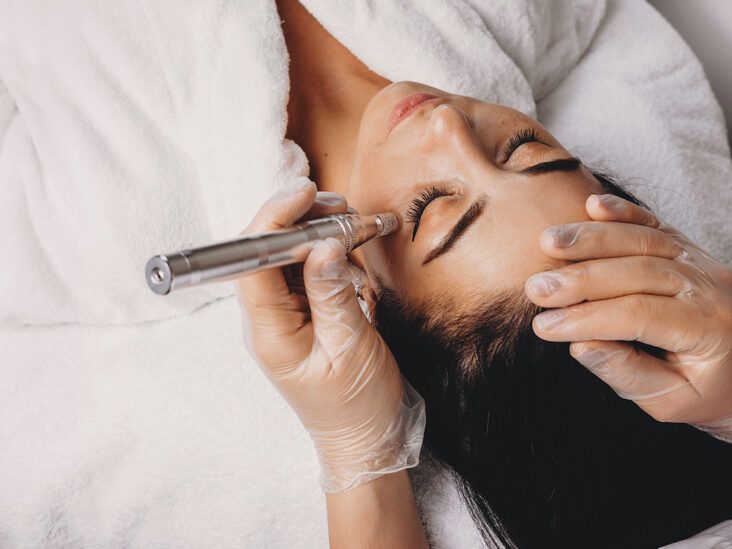
Microneedling uses fine needles to create tiny micro-injuries in the skin, stimulating collagen production and skin renewal.
When combined with PRP (platelet-rich plasma), the healing process accelerates, helping reduce pigmentation and improve overall skin tone—especially for acne-related marks.
6. Oral Medications (When Needed)
In certain cases, especially melasma, dermatologists may prescribe oral medications like tranexamic acid. These help control pigment production triggered by hormones or UV exposure.
This option is only suitable for selected individuals and must be taken under medical supervision.
Lifestyle Changes That Support Treatment
Treating hyperpigmentation isn’t just about procedures—it also requires lifestyle adjustments:
-
Avoid direct sun exposure during peak hours
-
Wear protective clothing and accessories
-
Manage stress and hormonal imbalances
-
Follow a gentle, consistent skincare routine
Addressing the root cause plays a crucial role in long-term results.
Key Takeaways
Hyperpigmentation is a common but manageable condition. The right treatment depends on the type, severity, and your skin type.
With proper dermatological care, consistent sun protection, and patience, achieving clearer and more even-toned skin is absolutely possible.
FAQs on Hyperpigmentation
What should you avoid if you have hyperpigmentation?
Avoid self-treating with random products or harsh remedies. Always consult a dermatologist before starting any treatment.
Can hyperpigmentation fade on its own?
Mild cases may improve over time, especially with proper sun protection and skincare.
Is hyperpigmentation permanent?
No, it can be treated effectively. However, without maintenance, it may return.
How long does treatment take?
Results vary depending on severity and treatment type, but it may take weeks to several months.
Is treatment safe during pregnancy?
Mild treatments like azelaic acid and strict sun protection are generally recommended, but always consult a doctor before using any product.