Pecan Consumption Enhances Cardiovascular Health and Diet Quality, According to a New Review
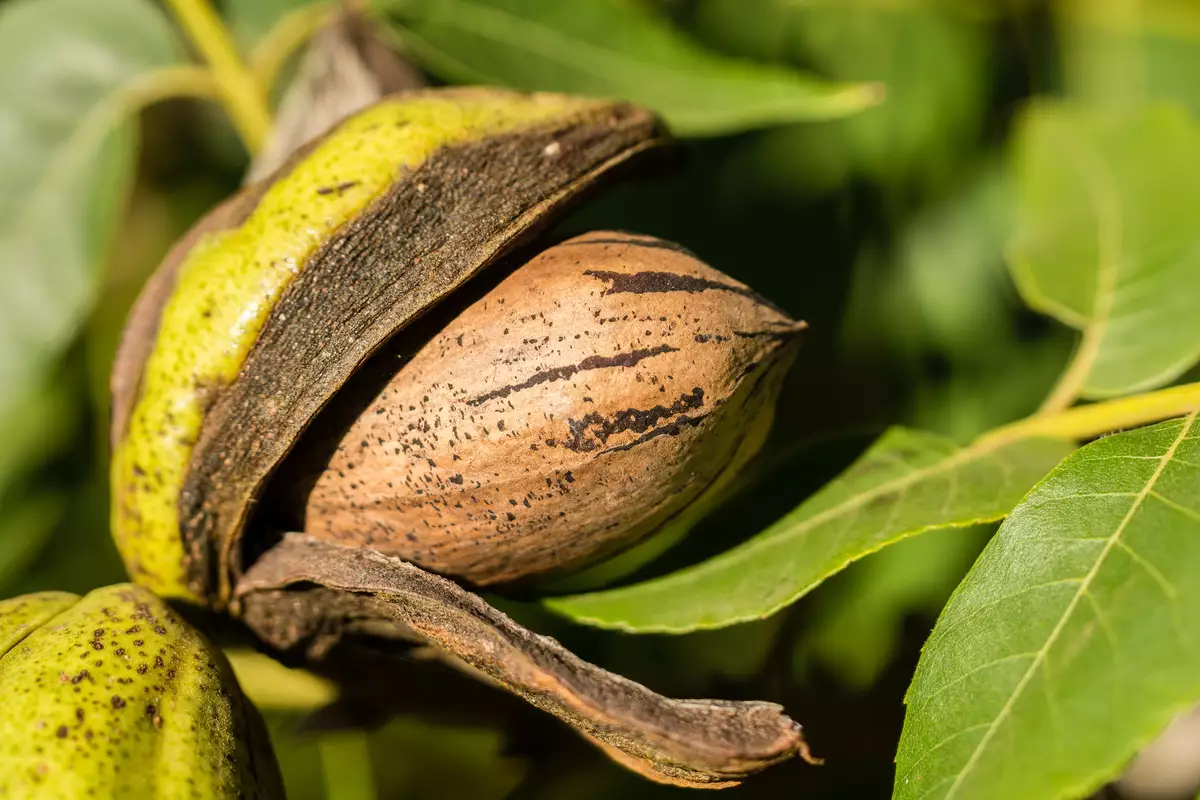
Pecans (Carya illinoinensis) are a type of tree nut that is indigenous to North America, especially in the Mississippi River Valley and areas that are now part of Texas and Mexico.
For centuries before European colonization, they served as a fundamental food source for numerous Indigenous peoples, valued for their ease of transport, high caloric content, and extended shelf life.
In contrast to most other commercially available tree nuts, pecans are closely linked to the agricultural and cultural traditions of the southern United States, where they have historically held significant dietary and economic importance.
Pecans are primarily recognized for their distinctive role in desserts like pecan pie and pralines.
Nonetheless, their application goes beyond sweets, finding a place in savory dishes, snack products, and even plant-based dairy substitutes, as both chefs and consumers delve into their rich flavor and nutritional benefits.
From a health standpoint, pecans offer many of the heart-protective advantages linked to other nuts.
The U.S. Food and Drug Administration has issued a qualified health claim indicating that the daily consumption of 1.5 ounces of most nuts, including pecans, may lower the risk of heart disease.
However, pecans possess a distinct nutritional profile, abundant in polyphenols, tocopherols, and plant sterols, which may provide additional or synergistic health advantages beyond their fat content.
Although they have been studied less extensively than almonds or walnuts, emerging research indicates that consuming pecans can yield considerable health benefits.
“Our review encapsulates the current research on pecans and human health, highlighting future avenues to enhance understanding of their role in health promotion,” stated senior author Dr. Britt Burton-Freeman and her colleagues from the Illinois Institute of Technology.
In their review, the authors examined existing data regarding the nutritional and phytochemical makeup of pecans, including insights into the bioavailability and metabolic pathways of their primary bioactive compounds.
They subsequently reviewed human clinical trials conducted from 2000 to 2025, concentrating on the physiological impacts of pecan consumption across various cardiometabolic and other health-related outcomes. A total of 52 articles were chosen and included in the review.
Their findings indicate that individuals who incorporate pecans into their diets achieve higher scores on the Healthy Eating Index (HEI), which signifies an overall improvement in diet quality.
Data from the nationally representative NHANES study further illustrates that pecans seamlessly integrate into balanced, healthy eating habits, particularly when they substitute conventional snack options.
Dr. Burton-Freeman remarked, “What is particularly noteworthy in the research is the consistent evidence connecting pecans to indicators of heart health and overall dietary quality.”
She added, “The supplementary findings regarding satiety and weight management provide significant context, especially as there is an increasing interest in appetite regulation and the application of GLP-1 therapies.”
The researchers also pinpointed promising avenues for future investigation: (i) gut health and digestion, focusing on how the nutrients in pecans interact with the microbiome; (ii) brain health, considering the high polyphenol content in pecans and the established connections between heart and cognitive health; (iii) bioactive compounds, which differ based on growing conditions and may affect health outcomes.
The scientists concluded, “Although these areas are still in development, they represent encouraging directions for future research.”