Why Night Driving Feels Harder: Vision Problems You Shouldn’t Ignore
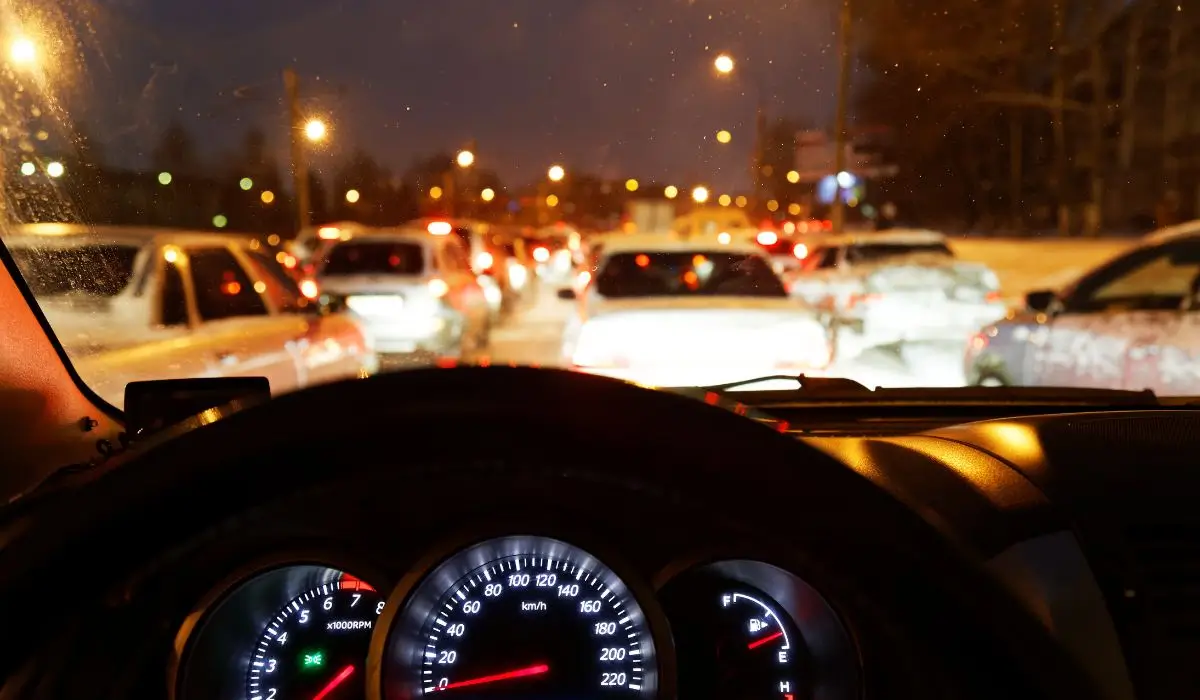
Driving after dark can feel significantly more challenging than daytime driving—and you’re not alone if you struggle. Reduced visibility, eye fatigue, and common vision conditions all play a role in making night driving riskier.
Globally, millions of drivers report difficulty seeing clearly at night. In fact, studies show that accident rates are much higher after sunset, with a large percentage of road crashes occurring during nighttime hours due to poor visibility and reduced driver performance.
Let’s break down the key reasons behind this—and what you can do about them.
Table of Contents
ToggleHeadlight Glare: A Major Distraction
One of the biggest challenges at night is the glare from oncoming vehicles. Headlights, especially high beams, can temporarily blind or distract drivers, slowing reaction time.
A simple solution? If you wear glasses, consider lenses with anti-reflective (AR) coating. These coatings help reduce glare from headlights, streetlights, and reflective surfaces—making your vision clearer and more comfortable while driving.
Trouble Reading the Dashboard (Presbyopia)
If you’re over 40 and find it hard to read your dashboard, GPS, or controls, presbyopia could be the cause. This age-related condition affects your ability to focus on nearby objects.
This can be risky while driving, as you may struggle to check your speed, navigation, or warning indicators. Fortunately, prescription glasses can easily correct this issue. Regular eye check-ups are essential to catch and manage it early.
Blurry Road Signs (Myopia)
Shortsightedness, or myopia, makes it difficult to see distant objects clearly—like road signs, pedestrians, or obstacles.
At night, this problem becomes even worse due to low light and increased reflections. Missing important visual cues on the road can be dangerous, so updating your prescription in time is crucial for safe driving.
Streaky Lights and Halos (Astigmatism)
If lights appear stretched, blurry, or surrounded by halos, you may have astigmatism. This condition affects how light enters your eyes, causing distorted vision.
At night, it becomes more noticeable due to multiple light sources like headlights and streetlamps. Corrective lenses can help sharpen your vision and reduce these visual distortions.
Night Blindness (Nyctalopia)
Night blindness doesn’t mean total darkness—it refers to difficulty seeing in low-light conditions. It can make driving after sunset especially risky.
This condition may be linked to issues like cataracts, glaucoma, or untreated refractive errors. Symptoms include halos around lights, poor distance vision, and sensitivity to glare. If you notice these signs, it’s important to consult an eye specialist.
Essential Night Driving Safety Tips
Driving safely at night requires extra attention and preparation. Here are some key precautions:
- Stay alert and focused at all times
- Follow speed limits strictly
- Always wear your seatbelt
- Avoid using your phone while driving
- Take breaks if you feel tired
- Watch carefully for pedestrians and cyclists
- Never drive under the influence of alcohol
- Ensure your tyres and lights are in good condition
Simple habits like these can significantly reduce risks on the road.
How to Improve Your Night Vision
Clear vision is critical for safe night driving. Many common vision issues can be corrected with glasses or contact lenses.
Since eyesight changes over time, regular eye exams are essential. Updating your prescription can make a noticeable difference in how confidently you drive after dark.
Reducing Glare and Reflections
Even with corrective lenses, reflections can still be a problem. Specialized lens coatings can help minimize glare and improve clarity.
Advanced lens options—such as those designed specifically for night driving—can reduce reflections significantly while also protecting against scratches, dust, and UV rays.
Finding the Right Lenses
The right eyewear can transform your night driving experience. From single-vision lenses to varifocals and anti-glare coatings, modern solutions are designed to match your specific needs.
An optician can guide you toward the best option based on your vision condition, helping you drive more safely and confidently at night.
Final Thought
Night driving doesn’t have to feel stressful or unsafe. In many cases, the problem isn’t the road—it’s your vision. Addressing even minor eyesight issues can dramatically improve your confidence and safety behind the wheel.
Share this:
- Share on Facebook (Opens in new window) Facebook
- Share on X (Opens in new window) X
- Share on LinkedIn (Opens in new window) LinkedIn
- Share on Reddit (Opens in new window) Reddit
- Share on WhatsApp (Opens in new window) WhatsApp
- Share on Tumblr (Opens in new window) Tumblr
- Share on Pinterest (Opens in new window) Pinterest