Yoga for Testosterone: 9 Powerful Poses to Support Hormones & Build Strength
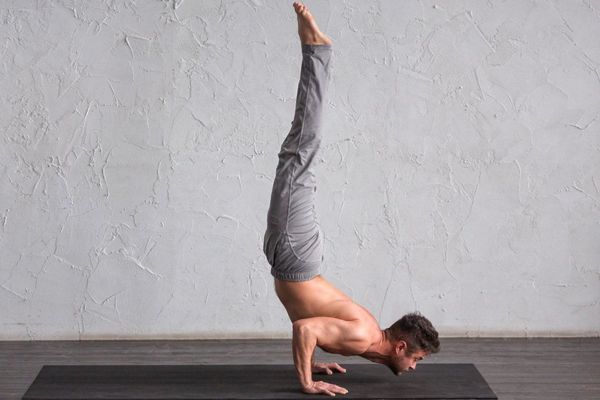
Yoga isn’t just about stretching or winding down. When practiced with intention and strength, it can challenge major muscle groups, reduce stress hormones, and support overall hormonal balance.
This routine, inspired by strength-focused flows like those from Man Flow Yoga, targets the core, pelvic floor, glutes, and back — areas closely connected to strength, posture, and metabolic health.
If you’re looking to improve energy, build lean muscle, and support testosterone naturally, this no-equipment sequence delivers both intensity and control.
Why Yoga Can Support Testosterone
Boosting testosterone isn’t only about lifting heavy weights. It also involves:
-
Managing cortisol (the stress hormone)
-
Engaging large muscle groups
-
Strengthening the pelvic floor
-
Supporting deep core stability
Challenging isometric holds — like planks and squats — stimulate muscle recruitment similar to resistance training. At the same time, controlled breathing reduces stress, creating a hormonal environment that supports recovery and balance.
Key Focus Areas
Core Strength – A strong midsection supports posture, organ function, and stability.
Pelvic Floor Engagement – Important for strength, stability, and reproductive health.
Muscle Activation – Precision matters; engagement is more important than simply “hitting the pose.”
9 Testosterone-Supporting Yoga Poses
Forearm Plank
Targets: Core & Pelvic Floor
-
Place forearms shoulder-width apart.
-
Lift through your midsection slightly to protect your spine.
-
Hug forearms inward and breathe steadily.
This foundational hold builds deep abdominal strength and pelvic stability.
Cobra Pose
Targets: Back Muscles & Spinal Extension
-
Lie face down with legs engaged.
-
Pull your chest forward and up using your back — not just your hands.
-
Keep elbows close to your sides.
Spinal extension promotes posture and activates the posterior chain.
Boat Pose
Targets: Deep Core & Hip Flexors
-
Sit upright and lift your shins parallel to the floor.
-
Keep your chest open and spine tall.
-
Advance by straightening the legs.
Boat pose forces your core to fully engage without assistance.
Seated Twist
Targets: Spine & Circulation
-
Sit tall and cross one foot over the opposite leg.
-
Lengthen on the inhale; rotate deeper on the exhale.
Twisting improves spinal mobility and circulation, supporting internal balance.
Chair Pose
Targets: Quads, Glutes & Inner Thighs
-
Sink hips back as if sitting in a chair.
-
Squeeze knees inward.
-
Hold 10–30 seconds.
Large muscle recruitment from legs and glutes stimulates metabolic demand.
Horse (Goddess) Pose
Targets: Glutes & Pelvic Floor
-
Take a wide stance, toes angled outward.
-
Lower into a deep squat.
-
Inhale to expand; exhale to engage core and pelvic floor.
This powerful stance builds lower-body strength and control.
Dancer’s Pose
Targets: Balance & Hip Flexors
-
Stand on one leg.
-
Grab the inside of the opposite foot.
-
Press foot into hand to create resistance.
Improves mobility, coordination, and total-body tension.
Full Locust Pose
Targets: Back, Glutes & Hamstrings
-
Lie face down and lift arms, chest, and legs together.
-
Reach long in opposite directions.
-
Maintain steady nasal breathing.
This strengthens the entire posterior chain.
Crow Pose
Targets: Core & Upper Body
-
Plant hands firmly.
-
Tuck knees into upper arms.
-
Lean forward until feet lift.
Even practicing the forward lean builds serious strength and control.
Beyond the Mat: The “Big Four” for Hormonal Health
Yoga supports testosterone, but it works best as part of a bigger strategy:
Exercise Regularly
Combine strength training, yoga, and movement.
Prioritize Sleep
Most testosterone production occurs during deep sleep.
Manage Stress
Lower cortisol creates better hormonal balance.
Eat Whole Foods
Focus on protein, healthy fats, and micronutrients that support endocrine health.
Final Thoughts
Yoga, when practiced with intensity and purpose, is far more than stretching. It builds strength, reduces stress, and supports overall hormonal balance.
Consistency is key. Practice these poses several times per week, focus on muscle engagement and breath control, and treat yoga as strength training — not just relaxation.
If you’d like, I can also create a printable weekly routine or a 20-minute follow-along structure.