Ayurveda and Haircare: An Expert Take on Traditional Practices
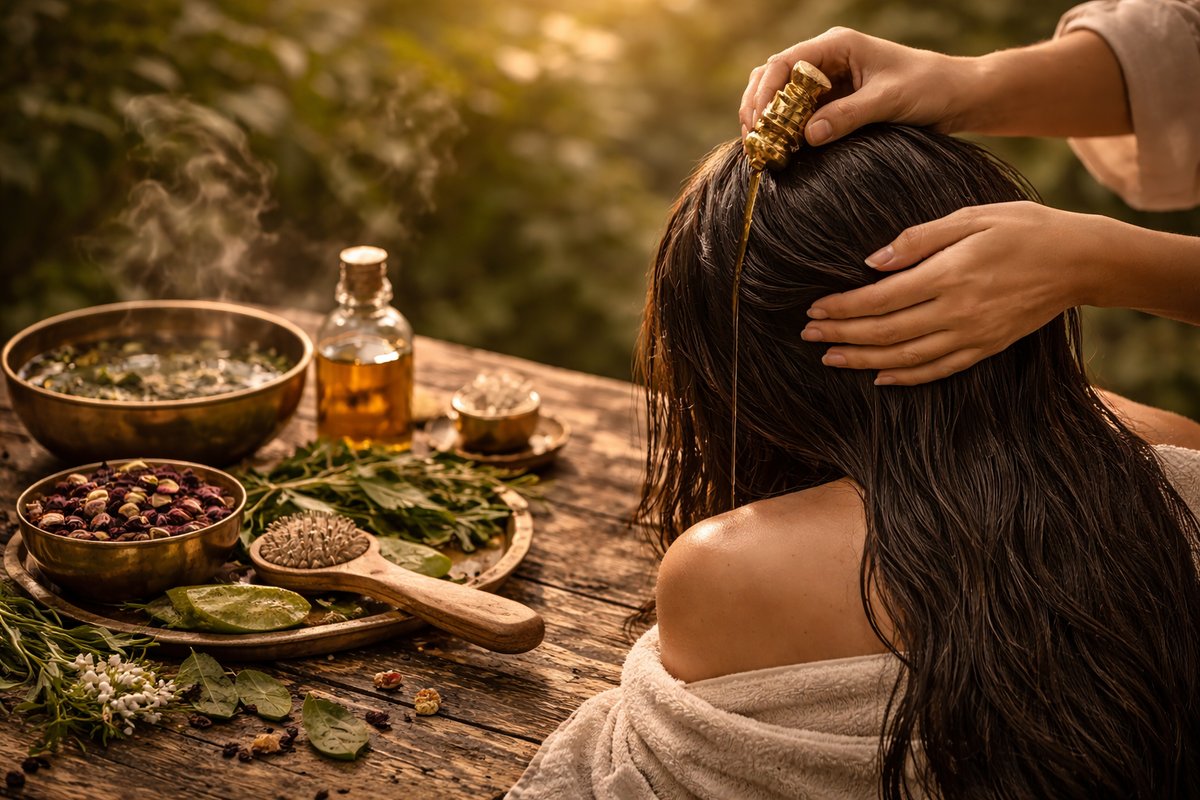
Ayurveda has long included hair and scalp care as part of broader personal wellness and hygiene practices. Traditional approaches often emphasize gentle cleansing, oil massage, plant-based ingredients, balanced routines, and attention to overall lifestyle. Today, many people are returning to these practices as they look for alternatives to complicated haircare routines.
However, traditional does not automatically mean effective or suitable for everyone. Modern haircare research gives us a useful way to understand which Ayurvedic practices may be helpful, where the evidence is limited, and what precautions are worth taking. The best approach is often one that respects traditional knowledge while also considering individual scalp and hair needs.
What Is Ayurvedic Haircare?
Ayurveda is a traditional system of medicine originating in India. Its approach to health is holistic, considering diet, lifestyle, daily routines, and individual characteristics.
In haircare, Ayurvedic traditions may involve practices such as oiling the scalp and hair, herbal preparations, massage, cleansing with botanical ingredients, and dietary recommendations.
Commonly discussed ingredients include coconut oil, amla, bhringraj, neem, hibiscus, fenugreek, and various other herbs. These ingredients have different traditional uses, although the amount and quality of scientific evidence supporting specific hair-growth or hair-loss claims can vary considerably.
The Tradition of Hair Oiling
Hair oiling is perhaps one of the most recognizable Ayurvedic-inspired practices. Oils such as coconut, sesame, and other plant oils have traditionally been massaged into the scalp or applied to the hair.
From a modern haircare perspective, some oils can help condition the hair shaft and reduce dryness. Coconut oil, in particular, has been studied for its ability to penetrate the hair shaft and reduce protein loss from hair under certain conditions.
However, oiling should not be confused with a proven treatment for every form of hair loss. Applying oil to the scalp cannot address underlying conditions such as genetic hair loss, certain inflammatory scalp disorders, nutritional deficiencies, or hormonal problems.
Scalp Massage and Relaxation
Gentle scalp massage is another traditional practice. It can feel relaxing and may be incorporated into an overall self-care routine.
Massage also encourages people to spend a few minutes paying attention to their scalp rather than treating haircare as something that happens automatically.
It is important, however, to avoid vigorous rubbing or scratching. Excessive friction can irritate the scalp and may contribute to hair breakage, particularly when hair is wet or already fragile.
Herbal Ingredients: Promise and Limitations
Ayurvedic haircare frequently uses herbs and botanical preparations. Amla, bhringraj, neem, hibiscus, and fenugreek are often promoted for various hair and scalp benefits.
Some plant-derived ingredients contain compounds with antioxidant, anti-inflammatory, or antimicrobial properties in laboratory studies. But laboratory activity does not necessarily mean that a product will prevent hair loss or stimulate significant hair growth in humans.
This distinction is important. A traditional ingredient can be interesting and potentially useful without being a clinically proven treatment for a medical condition.
Consumers should therefore be cautious of products that promise dramatic hair regrowth simply because they contain Ayurvedic herbs.
Ayurveda and Hair Growth
Hair growth is influenced by genetics, hormones, age, nutrition, health conditions, medications, and the condition of the scalp.
Because hair loss has many possible causes, there is no single Ayurvedic routine that can be expected to work for everyone.
If someone experiences sudden, severe, patchy, or unexplained hair loss, consulting a dermatologist is more appropriate than relying solely on home remedies. Identifying the cause is an important first step before deciding on treatment.
Ayurvedic-inspired care may potentially complement a broader haircare routine, but it should not replace appropriate medical evaluation when a health problem may be involved.
The Importance of Diet
Traditional Ayurvedic approaches often place considerable emphasis on nutrition and lifestyle. Modern science also recognizes the importance of adequate nutrition for healthy hair.
Hair production requires sufficient energy and nutrients, including protein, iron, zinc, and several vitamins. However, taking supplements without identifying a deficiency isn’t necessarily beneficial and can sometimes be harmful.
A balanced diet containing a variety of nutrient-rich foods is generally a better foundation than relying on large quantities of supplements marketed specifically for hair growth.
Anyone concerned about a possible nutritional deficiency should discuss appropriate testing and dietary changes with a qualified healthcare professional.
Choosing Natural Products Carefully
“Natural” is an attractive word in the beauty industry, but natural ingredients can still cause problems.
Essential oils, concentrated herbal extracts, fragrances, and other botanical ingredients can irritate sensitive skin or trigger allergic reactions. A product being plant-based doesn’t guarantee that it will be gentle.
Before applying a new product to the scalp, read the ingredient list carefully. People with sensitive skin or a history of allergies should be particularly cautious.
Avoid applying homemade preparations containing unknown or potentially irritating ingredients to damaged or inflamed skin.
Ayurvedic Haircare for Different Hair Types
Haircare needs vary considerably.
Someone with dry, curly hair may appreciate the conditioning effects of an appropriate hair oil, while someone with an oily scalp may find frequent scalp oiling uncomfortable or difficult to wash out.
Similarly, people with dandruff or scalp inflammation may need a specific evidence-based treatment rather than additional oils or herbal products.
This is why an individualized approach is more useful than following a single traditional routine regardless of hair type.
Traditional Knowledge Meets Modern Science
One of the most useful ways to approach Ayurveda today is neither to dismiss it nor to assume every traditional claim is scientifically proven.
Traditional practices can provide valuable ideas about routine, self-care, massage, cleansing, and plant-based ingredients. Modern research can help determine which specific claims have strong evidence and which require further study.
This balanced perspective allows people to enjoy traditional practices while maintaining realistic expectations.
Common Mistakes to Avoid
People interested in Ayurvedic haircare should avoid several common mistakes.
First, don’t assume that more oil means healthier hair. Excessive product use can make washing difficult and may not provide additional benefits.
Second, avoid aggressively rubbing herbal pastes or oils into the scalp.
Third, don’t delay medical advice if hair loss is persistent or unusual.
Finally, be skeptical of products that promise guaranteed regrowth, permanent reversal of baldness, or dramatic results within a few days or weeks.
Final Thoughts
Ayurveda offers a rich tradition of hair and scalp care, with practices such as oiling, massage, herbal preparations, and attention to diet continuing to attract interest.
Some of these practices can be useful as part of a gentle personal-care routine, particularly when they improve conditioning or make haircare more enjoyable. But traditional use should not automatically be interpreted as clinical proof.
The smartest approach is to combine the best of both perspectives: respect traditional practices, choose ingredients carefully, understand your individual hair and scalp needs, and seek professional advice when persistent hair problems require medical attention.
Healthy haircare doesn’t have to be complicated. A consistent, gentle routine—supported by good nutrition and appropriate professional care when necessary—can be far more valuable than chasing dramatic promises from any single ingredient or tradition.