Cataract Surgery Cost in Kolkata: What Shapes the Price and How Insurance and Self-Pay Work
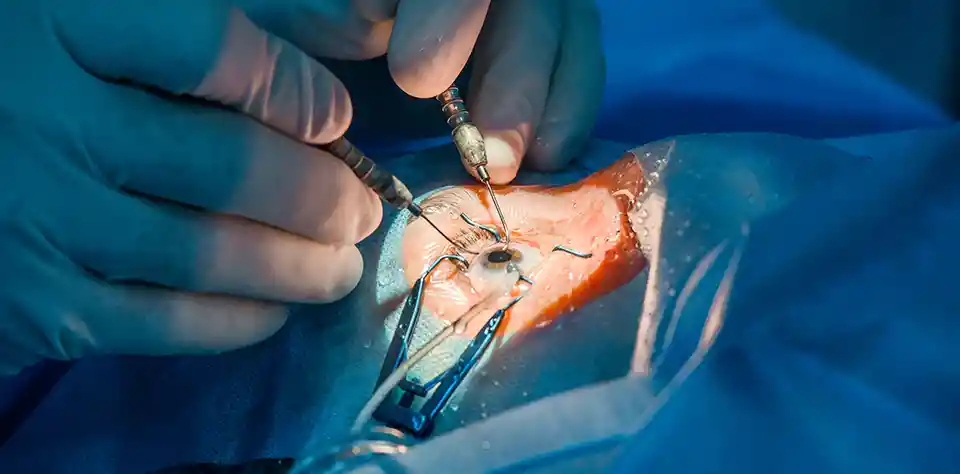
Cataract surgery is one of the most common eye procedures performed to restore clear vision. For people living in Kolkata, understanding the cost of cataract surgery is an important step toward making an informed healthcare decision. The total expense can vary depending on the hospital, surgeon’s experience, surgical technique, type of intraocular lens (IOL), and the patient’s insurance coverage.
While some patients prefer affordable treatment at government hospitals or budget-friendly eye care centres, others choose private hospitals with advanced technology and premium lenses. Knowing what influences the price and how insurance and self-payment options work can help patients plan their treatment without unnecessary financial stress.
What Is Cataract Surgery?
A cataract develops when the natural lens of the eye becomes cloudy, leading to blurred vision, difficulty seeing at night, glare, and reduced visual clarity. Cataract surgery involves removing the cloudy natural lens and replacing it with an artificial intraocular lens.
Modern cataract surgery is generally a short procedure, often performed under local anaesthesia. The surgeon selects an appropriate technique and lens based on the patient’s eye condition, lifestyle, and visual requirements.
The two commonly discussed techniques are phacoemulsification and manual small-incision cataract surgery. Phacoemulsification uses ultrasound energy to break up the cloudy lens, while manual small-incision surgery removes it through a small incision using a different technique. The most suitable option depends on the clinical assessment.
Cataract Surgery Cost in Kolkata: An Overview
The cost of cataract surgery in Kolkata varies considerably between government hospitals, charitable eye hospitals, and private healthcare facilities.
As a broad planning estimate, patients may encounter the following indicative price ranges:
| Surgery or lens category | Approximate cost per eye |
|---|---|
| Basic cataract surgery | ₹10,000–₹25,000 |
| Phacoemulsification with a standard monofocal lens | ₹20,000–₹45,000 |
| Premium lens options, including selected multifocal or toric lenses | ₹40,000–₹1,00,000 or more |
These figures are indicative estimates, not verified quotations from individual Kolkata hospitals. Actual prices can fall outside these ranges depending on the facility, procedure, lens model, and included services.
Government facilities and charitable hospitals may offer subsidised treatment to eligible patients. Private hospitals may charge more because of their infrastructure, technology, specialist services, and accommodation arrangements.
Patients should request a written estimate before confirming surgery.
Key Factors That Influence Cataract Surgery Prices
1. Type of Intraocular Lens
The intraocular lens is one of the most significant factors affecting the overall cost.
A standard monofocal lens generally provides clear vision at one primary distance, often distance vision. Patients may still need glasses for reading or other activities.
Premium lens options can include:
-
Multifocal lenses: Designed to provide vision at multiple distances, although visual outcomes and suitability vary.
-
Toric lenses: Designed to correct certain types of corneal astigmatism.
-
Extended depth-of-focus lenses: Designed to provide a broader range of useful vision than standard monofocal lenses.
Premium lenses can increase the total cost substantially. They are not suitable for everyone, so the ophthalmologist should explain their benefits, limitations, and additional expenses.
2. Surgical Technique and Technology
The surgical method selected by the ophthalmologist can influence the price. Phacoemulsification is widely used in modern cataract care, while other techniques may be appropriate in particular clinical circumstances.
Some facilities also offer femtosecond laser-assisted cataract surgery. This technology may add to the expense and is not necessary for every patient.
The choice of technique should be guided by clinical suitability rather than price alone.
3. Hospital or Eye Centre
The type of healthcare facility also affects the final bill.
Large private hospitals may have higher charges for operating theatres, equipment, specialist consultations, and hospital services. Dedicated eye hospitals may offer different package structures, while government and charitable institutions may provide subsidised treatment.
Patients should compare the services included in each quotation rather than selecting a hospital solely on the basis of its advertised starting price.
4. Surgeon’s Experience
An ophthalmologist’s qualifications and experience are important considerations when choosing a surgeon. Fees may vary depending on the surgeon’s expertise, the complexity of the procedure, and the hospital’s pricing policy.
Patients should ask about the surgeon who will perform the operation, the expected follow-up schedule, and the arrangements for managing complications.
5. Preoperative Tests and Additional Medical Needs
Before surgery, the patient may need an eye examination, biometry measurements, corneal assessment, and other investigations based on their health and eye condition.
Patients with conditions such as diabetes, glaucoma, corneal disease, or retinal problems may require additional evaluation or treatment. These services can increase the total expense.
The final bill may also include prescribed eye drops, postoperative consultations, protective eyewear, and additional procedures if medically necessary.
What Is Usually Included in a Cataract Surgery Package?
A cataract surgery package does not necessarily cover every expense associated with treatment. Some hospitals offer comprehensive packages, while others charge separately for tests, medicines, or follow-up care.
Before booking surgery, confirm whether the quoted amount includes:
-
Surgeon and anaesthesia-related fees, where applicable.
-
Operating theatre and facility charges.
-
The intraocular lens and its model.
-
Preoperative investigations.
-
Prescribed postoperative medicines.
-
Follow-up consultations.
-
Management of unexpected complications, where covered by the package terms.
Ask for clarification about exclusions, taxes, room charges, and the cost of additional tests. A transparent estimate makes it easier to compare hospitals and avoid unexpected payments.
How Health Insurance Covers Cataract Surgery
Health insurance can reduce the financial burden of cataract surgery, but coverage depends on the policy’s terms and conditions.
Many Indian health insurance policies cover cataract surgery subject to specific limits, waiting periods, exclusions, and other conditions. Some policies impose a fixed monetary cap per eye or per hospitalisation, while others apply different reimbursement rules.
For example, if the hospital bill is ₹40,000 and the applicable policy limit is ₹25,000, the insurer may pay up to the eligible amount, subject to the policy terms. The patient may need to pay the remaining amount, along with any non-covered expenses or applicable deductions.
This example is illustrative; actual settlement depends on the policy and the insurer’s assessment.
Important Insurance Terms to Check
Waiting period: Some policies require the patient to complete a specified waiting period before cataract surgery becomes eligible for coverage.
Sublimit: A policy may restrict the amount payable for cataract surgery, regardless of the total hospital bill.
Co-payment: The policyholder may have to pay a percentage of eligible expenses.
Room rent and non-medical expenses: Certain charges may not be covered or may be subject to limits.
Network hospital: Cashless treatment is generally available only through participating hospitals and subject to insurer approval and applicable rules.
Review the policy document carefully and contact the insurer or third-party administrator before scheduling surgery.
Cashless Insurance Versus Reimbursement
Patients using health insurance generally have two possible payment routes, depending on their policy and hospital arrangements.
Cashless Treatment
Under a cashless arrangement, the hospital submits a preauthorisation request to the insurer or its administrator. If approved, eligible expenses are settled directly between the hospital and insurer.
The patient remains responsible for expenses outside the approved coverage, such as applicable co-payments, exclusions, or charges exceeding a policy limit.
Cashless treatment can reduce the need to arrange the entire hospital bill upfront, but authorisation should be confirmed before the procedure.
Reimbursement Claims
If cashless treatment is unavailable or not used, the patient may pay the hospital bill and submit a reimbursement claim.
The insurer typically requires documents such as itemised bills, payment receipts, medical reports, prescriptions, discharge summaries, and claim forms. The precise documentation depends on the insurer.
Patients should retain copies of all records and follow the claim submission deadlines stated in their policy.
Self-Pay: Paying for Cataract Surgery Without Insurance
Self-pay means covering the cost of surgery using personal funds rather than relying on health insurance.
This option may suit patients who do not have insurance, whose policies do not cover the procedure, or who prefer a facility outside their insurer’s network.
The first step is to obtain a detailed written quotation from the hospital. Ask whether a standard lens would meet your visual needs and whether any premium upgrade is medically appropriate.
Patients can also compare government hospitals, charitable eye care centres, and private facilities. Eligible individuals may qualify for subsidised treatment through particular institutions or healthcare programmes.
Some hospitals offer instalment plans or financing arrangements, but availability, interest rates, and eligibility requirements vary. Confirm all financial terms before committing.
Insurance or Self-Pay: Which Is Better?
The right choice depends on the patient’s coverage, budget, preferred hospital, and clinical needs.
Insurance may be more economical when the policy covers the procedure adequately and the hospital’s charges fall within the applicable limits. However, a low cataract sublimit can leave a substantial amount payable by the patient.
Self-pay may offer greater flexibility in choosing a provider or lens, but the patient must manage the full expense. A lower-priced option can be appropriate when it meets the patient’s medical needs and includes suitable postoperative care.
In either case, compare the final out-of-pocket cost rather than the advertised package price alone.
Practical Tips to Manage Cataract Surgery Expenses
Patients in Kolkata can take several steps to plan their treatment more effectively:
-
Compare written quotations: Request itemised estimates from two or three reputable eye care facilities.
-
Ask about standard lenses: A premium lens is not automatically the best option for every patient.
-
Check insurance eligibility early: Confirm waiting periods, sublimits, network status, and preauthorisation requirements.
-
Include follow-up costs: Account for medicines, consultations, and additional tests.
-
Explore subsidised services: Government and charitable hospitals may provide affordable options to eligible patients.
-
Prioritise clinical quality: Consider the surgeon’s qualifications, hygiene standards, equipment, and follow-up arrangements alongside cost.
Avoid delaying medically necessary treatment solely to wait for a cheaper package. Discuss the timing of surgery with an ophthalmologist, particularly if vision problems affect daily activities or safety.
Questions to Ask Before Booking Cataract Surgery
Before finalising a hospital, patients should ask:
-
What is the complete cost for one eye?
-
Which lens model is included in the package?
-
Are investigations, medicines, and follow-up visits included?
-
Does my insurance policy cover this procedure?
-
Is there a cataract-specific sublimit or waiting period?
-
What expenses might I need to pay personally?
-
Who will perform the surgery, and what follow-up care is provided?
Getting clear answers helps patients understand both the medical and financial aspects of treatment.
Conclusion
Cataract surgery costs in Kolkata depend on several factors, including the surgical technique, lens selection, hospital facilities, surgeon’s fees, and the patient’s medical requirements. Insurance can help cover eligible expenses, but policy limits and exclusions may leave some costs to the patient. Self-pay provides another route, especially for those without suitable coverage.
The most effective approach is to obtain an itemised quotation, verify insurance benefits in advance, and discuss lens choices with a qualified ophthalmologist. By balancing affordability with clinical quality and appropriate follow-up care, patients can make a more confident decision about restoring their vision.