Multi-Cancer’ Blood Tests Coming to Some GP Surgeries Soon: NHS Launches Major Trial to Detect Cancer Earlier
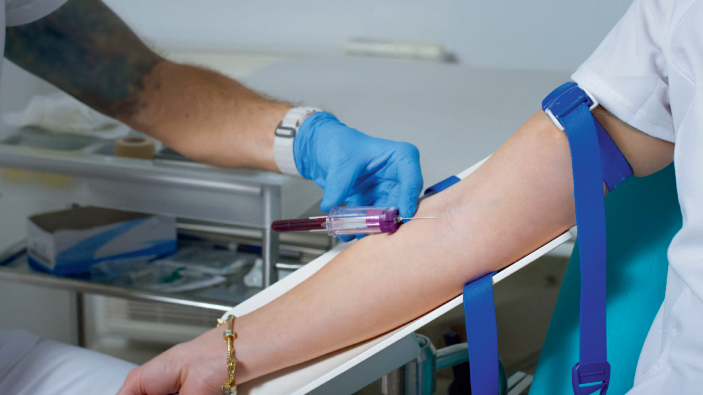
The UK’s National Health Service (NHS) is preparing to introduce a new generation of multi-cancer blood tests at selected GP surgeries in England as part of a major research initiative aimed at detecting cancer earlier. The government-funded programme will involve more than 20,000 patients across at least 200 GP practices, offering fresh hope for people at risk of developing some of the hardest-to-diagnose cancers.
The initiative, known as the STRIDE-RCT trial, is being led by researchers at the University of Birmingham. Its primary objective is to investigate whether simple blood tests can help doctors identify potential cancer cases earlier and determine which patients need urgent medical investigations.
The development is particularly important because several abdominal cancers, including pancreatic, liver and ovarian cancer, are frequently diagnosed at advanced stages. Their early symptoms can be difficult to distinguish from common health problems, making timely diagnosis challenging.
NHS to Introduce Multi-Cancer Blood Tests at 200 GP Surgeries
Under the new programme, more than 20,000 NHS patients aged 45 and above will be invited to participate in the trial across approximately 200 GP practices in England.
The participants will generally be people experiencing symptoms such as persistent bloating, abdominal discomfort, unexplained pain or other symptoms that could potentially indicate cancer.
Instead of immediately sending every patient for extensive hospital investigations, doctors will be able to use additional blood-test information to help assess the likelihood of cancer and decide whether further examinations are necessary.
The government has allocated up to £8.49 million in funding through the Office for Life Sciences and the National Institute for Health and Care Research (NIHR) to support the research.
The programme will include patients from different communities, including urban, rural, coastal and economically disadvantaged areas. This approach will help researchers understand how the tests perform across different populations.
Which Types of Cancer Can the New Blood Tests Detect?
One of the most promising aspects of the initiative is its focus on detecting multiple cancers using a small blood sample.
The STRIDE-RCT trial will investigate tests designed to identify signals associated with 13 different types of cancer.
These include:
- Bowel cancer
- Small bowel cancer
- Stomach cancer
- Oesophageal cancer
- Pancreatic cancer
- Liver cancer
- Bile duct cancer
- Gallbladder cancer
- Ovarian cancer
- Endometrial cancer
- Kidney cancer
- Bladder cancer
- Prostate cancer
Many of these cancers are difficult to identify during their early stages because their symptoms are often vague or similar to those of less serious conditions.
For example, persistent bloating and stomach discomfort can have several possible causes. However, in some cases, these symptoms may also indicate an underlying cancer.
By providing GPs with additional diagnostic information, researchers hope to improve the process of identifying patients who require further investigation.
How Will the Multi-Cancer Blood Tests Work?
The new tests will use different scientific technologies to search for potential signs of cancer in a patient’s blood.
Depending on the test being used, scientists will examine proteins, fragments of DNA and other biological signals that may indicate the presence of cancer.
Some technologies use artificial intelligence to analyse complex patterns in blood samples and identify signals that might otherwise be difficult to recognise.
Patients participating in the trial will generally have one or two tubes of blood collected at their GP surgery alongside their regular blood tests.
Researchers will then analyse the samples using specialised laboratory techniques. If cancer-related signals are detected, certain tests may also help identify the likely location of the tumour.
The results will provide additional information for doctors when deciding whether a patient should be referred for urgent investigations, such as scans or specialist examinations.
However, the tests are not designed to replace existing diagnostic procedures. A suspected cancer diagnosis will still require appropriate medical assessments and further testing.
Why Is Early Cancer Detection So Important?
Early cancer detection remains one of the biggest challenges facing healthcare systems worldwide.
Many cancers do not produce obvious symptoms during their initial stages. By the time patients experience persistent or severe symptoms, the disease may already have spread to surrounding tissues or other parts of the body.
Pancreatic, ovarian, liver and stomach cancers are particularly concerning because they can be difficult to detect early.
According to figures highlighted by the UK government, approximately 71,000 people in England are diagnosed each year with pancreatic, stomach, liver, ovarian and bowel cancers. Nearly 35,000 people die from these diseases annually.
Finding these cancers earlier could provide patients with more opportunities for treatment and potentially improve survival rates.
Earlier diagnosis may also help reduce the need for more complicated treatments associated with advanced-stage disease.
The NHS believes that improved diagnostic tools could help GPs identify patients who need further examinations without unnecessarily delaying their care.
Blood Test Results Will Not Confirm Cancer
Although the new technology offers promising possibilities, health experts have emphasised that the blood tests should not be considered definitive cancer diagnostic tools.
A positive result does not automatically mean that a patient has cancer. Instead, it indicates that additional medical investigations may be required to understand the cause of the detected signals.
Similarly, a negative result does not guarantee that someone is completely free from cancer.
There is also a possibility that the tests could produce false-positive or false-negative results. Researchers will therefore need to examine their accuracy carefully before recommending wider use across the NHS.
The trial will evaluate how effectively these tests work alongside existing GP assessments and whether they can help improve referral decisions.
Lessons From the Previous Galleri Cancer Blood Test Trial
The latest initiative comes after considerable attention surrounding another multi-cancer detection technology known as the Galleri blood test.
The NHS previously conducted a large-scale trial involving more than 140,000 participants to investigate whether Galleri could identify cancer signals in people without symptoms.
However, the September 2026 results showed that the study did not meet its primary objective of reducing the combined number of cancers diagnosed at stages III and IV.
Researchers are continuing to examine the wider findings and potential applications of the technology.
The new STRIDE-RCT programme has a different focus. Rather than screening people without symptoms across the general population, it will concentrate on patients aged 45 and above who already have symptoms that may require further investigation.
This targeted approach could help doctors make more informed decisions about which patients need urgent diagnostic procedures.
What Could the Trial Mean for the Future of the NHS?
If the STRIDE-RCT trial produces encouraging results, multi-cancer blood tests could eventually become an important additional tool in primary healthcare.
GPs regularly face the challenge of identifying serious illnesses among patients reporting common symptoms. Improved blood-testing technology could help them recognise potential cancer cases more quickly and prioritise hospital referrals.
The programme could also help reduce unnecessary investigations by providing doctors with additional evidence when assessing patients.
However, researchers will need to establish whether the tests are sufficiently accurate, practical and cost-effective before they can become part of routine NHS services.
The findings will play an important role in determining whether the technology should be introduced more widely across England.
Conclusion
The introduction of multi-cancer blood tests at selected GP surgeries represents an important development in the UK’s efforts to improve early cancer detection.
With more than 20,000 patients expected to participate across at least 200 GP practices, the STRIDE-RCT trial will provide valuable evidence about whether blood-based technologies can help identify 13 different types of cancer earlier.
Although the tests are not a replacement for conventional cancer diagnosis, they could give GPs another useful tool when deciding which patients require urgent investigations.
The success of the programme will depend on the accuracy of the tests and their ability to improve real-world diagnosis. If the results are positive, this research could help shape the future of cancer detection and potentially improve outcomes for thousands of patients.