Sudden Blind Spot in Both Eyes? Here’s What Your Vision May Be Telling You
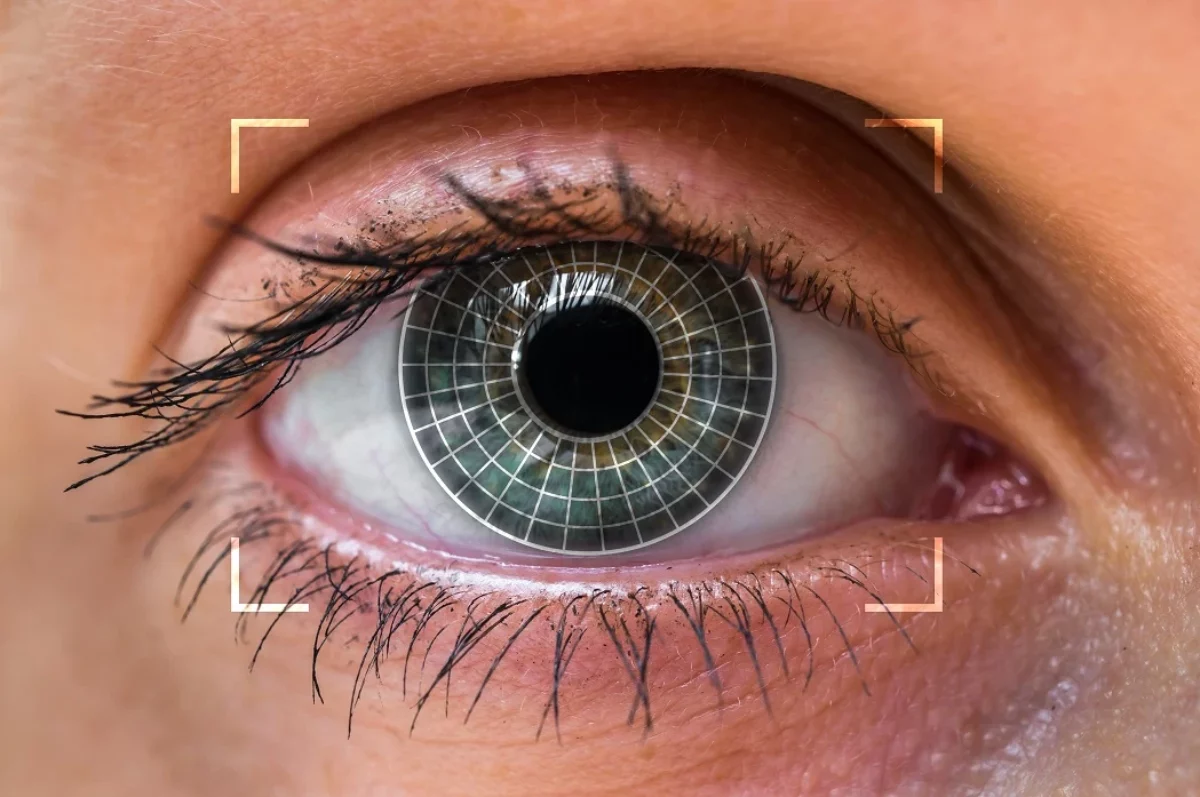
Experiencing a sudden blind spot in both eyes can be alarming. Vision is one of our most important senses, and any abrupt change often signals that something in the body needs attention. While not every episode of vision disturbance indicates a serious condition, a sudden or recurring blind spot should never be ignored.
This symptom can range from a temporary visual disturbance to a sign of an underlying neurological or vascular issue. Understanding the possible causes, warning signs, and when to seek medical help is crucial for protecting long-term eye and brain health.
Table of Contents
ToggleWhat Is a Blind Spot in Vision?
A blind spot in vision refers to a partial loss of sight in a specific area of the visual field. It may appear as:
- A dark or gray patch in vision
- A shimmering or flashing area
- A missing section of sight
- Blurred or distorted vision in a localized zone
When blind spots occur in both eyes at the same time, it often suggests that the issue may not be limited to the eyes themselves, but could involve the brain, optic nerves, or blood flow.
Common Causes of Sudden Blind Spots in Both Eyes
Several conditions can lead to sudden visual disturbances affecting both eyes. Some are temporary and harmless, while others require urgent medical attention.
1. Migraine with Aura
One of the most common causes is ocular or visual migraine, also known as migraine with aura.
In this condition, blind spots may appear before or during a headache. Symptoms often include:
- Zigzag flashing lights
- Shimmering or blind patches
- Temporary vision loss
- Sensitivity to light
These episodes typically last 10 to 60 minutes and resolve on their own. However, they can be frightening and mimic more serious conditions.
2. Transient Ischemic Attack (TIA)
A TIA, often called a mini-stroke, occurs when blood flow to the brain is temporarily reduced. This can affect vision in both eyes.
Warning signs may include:
- Sudden vision loss or blind spots
- Weakness or numbness on one side of the body
- Difficulty speaking or understanding speech
- Dizziness or loss of balance
A TIA is a serious warning sign of a potential stroke and requires immediate medical evaluation.
3. Stroke
A stroke occurs when blood flow to the brain is blocked or when a blood vessel bursts. If the area of the brain responsible for vision is affected, sudden blind spots in both eyes may occur.
Other symptoms include:
- Severe headache
- Confusion
- Loss of coordination
- Sudden weakness or paralysis
A stroke is a medical emergency, and immediate treatment is essential to prevent permanent damage.
4. Optic Nerve Disorders
Conditions affecting the optic nerves can lead to sudden or progressive vision loss. These may include:
- Optic neuritis (inflammation of the optic nerve)
- Increased intracranial pressure
- Autoimmune disorders
Symptoms may include pain during eye movement and reduced color vision along with blind spots.
5. Retinal or Eye Blood Flow Issues
Although retinal problems usually affect one eye, certain vascular conditions or blood flow disturbances can impact both eyes.
Possible causes include:
- Severe hypertension
- Diabetes-related vascular changes
- Blood clotting disorders
These conditions may reduce oxygen supply to the eyes or brain, leading to visual disturbances.
6. Low Blood Pressure or Hypotension
A sudden drop in blood pressure can temporarily reduce blood flow to the brain and eyes, causing:
- Blurred vision
- Black spots or tunnel vision
- Dizziness or fainting
This is often temporary but should be investigated if it happens repeatedly.
When Should You Be Concerned?
While occasional brief visual disturbances may not be serious, you should seek urgent medical attention if blind spots are:
- Sudden and severe
- Lasting more than a few minutes
- Recurrent or worsening
- Accompanied by headache, weakness, or speech problems
- Associated with loss of consciousness or confusion
These signs may indicate neurological or vascular emergencies.
Diagnosis: How Doctors Identify the Cause
To determine the cause of sudden blind spots, doctors may perform:
- Comprehensive eye examination
- Visual field testing
- MRI or CT scan of the brain
- Blood pressure and blood tests
- Neurological evaluation
- Retinal imaging
Early diagnosis is essential for preventing complications, especially in cases involving stroke or TIA.
Treatment Options
Treatment depends on the underlying cause:
Migraine Treatment
- Pain relievers
- Anti-migraine medications
- Lifestyle changes (stress management, sleep regulation)
Stroke or TIA Treatment
- Emergency hospital care
- Blood thinners or clot-busting medications
- Long-term cardiovascular management
Eye or Optic Nerve Conditions
- Steroids or anti-inflammatory medications
- Treatment of underlying autoimmune diseases
- Control of blood pressure or diabetes
Can Sudden Blind Spots Be Prevented?
While not all causes are preventable, you can reduce risk by:
- Maintaining healthy blood pressure
- Managing diabetes and cholesterol
- Staying hydrated
- Avoiding smoking
- Managing stress levels
- Having regular eye and health check-ups
These habits support both eye and brain health.
Conclusion
A sudden blind spot in both eyes is a symptom that should never be ignored. While it may sometimes be caused by harmless conditions like migraines, it can also signal serious neurological or vascular problems such as a TIA or stroke.
Understanding the possible causes and seeking timely medical evaluation can make a critical difference in outcomes. If you experience sudden or unexplained vision changes, especially alongside other neurological symptoms, consult a healthcare professional immediately.
Your vision is closely linked to your overall health—listening to these warning signs can help protect both your eyesight and your life.
Share this:
- Share on Facebook (Opens in new window) Facebook
- Share on X (Opens in new window) X
- Share on LinkedIn (Opens in new window) LinkedIn
- Share on Reddit (Opens in new window) Reddit
- Share on WhatsApp (Opens in new window) WhatsApp
- Share on Tumblr (Opens in new window) Tumblr
- Share on Pinterest (Opens in new window) Pinterest