Why June 21st Is International Yoga Day – The Forgotten Story
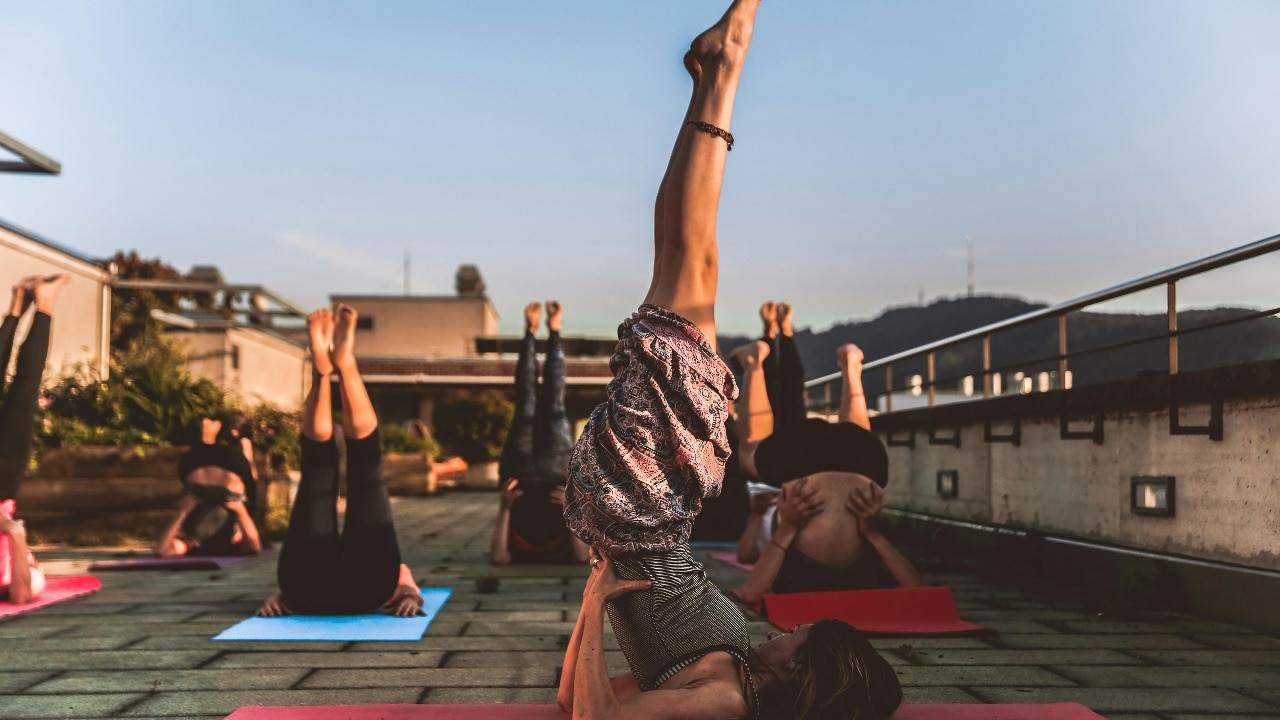
Every year on June 21, millions of people across the globe roll out their yoga mats to celebrate International Yoga Day. Parks, schools, community centers, and public spaces come alive with yoga sessions that highlight the physical, mental, and spiritual benefits of this ancient practice. Since its official recognition by the United Nations in 2014, International Yoga Day has grown into a worldwide movement promoting health, mindfulness, and well-being.
While many people are familiar with the celebrations, fewer know the story behind why June 21 was chosen as the official date. The selection was far from random—it carries cultural, astronomical, and symbolic significance deeply connected to yoga’s origins and philosophy. Understanding this history offers a greater appreciation for the day and the timeless wisdom that yoga represents.
Table of Contents
ToggleWhat Is International Yoga Day?
International Yoga Day, officially known as the International Day of Yoga, is an annual global observance dedicated to raising awareness about the benefits of practicing yoga. The event encourages people of all ages and backgrounds to incorporate yoga into their daily lives as a means of improving physical fitness, mental clarity, and emotional balance.
Countries around the world organize free yoga sessions, educational workshops, wellness campaigns, and cultural events to mark the occasion. The celebration highlights yoga not just as a form of exercise but as a holistic practice that integrates the body, mind, and spirit.
The Origins of Yoga
Yoga originated in ancient India thousands of years ago. The word “yoga” comes from the Sanskrit root yuj, meaning “to unite” or “to join.” Traditionally, yoga is understood as a path toward harmony between the body, mind, and consciousness.
Ancient texts such as the Upanishads, the Bhagavad Gita, and Patanjali’s Yoga Sutras describe yoga as a comprehensive system of ethical living, meditation, breath control, and physical postures. Over the centuries, different schools of yoga emerged, each emphasizing various aspects of spiritual and personal development.
Today, yoga is practiced worldwide in many forms, ranging from gentle restorative classes to physically demanding styles, while still retaining its core principles of balance and self-awareness.
Why Was June 21 Chosen?
The choice of June 21 is closely tied to both astronomy and traditional yogic beliefs.
The Summer Solstice
June 21 is usually the summer solstice in the Northern Hemisphere, the longest day of the year. It marks the point when the Earth’s tilt toward the sun is at its greatest, resulting in the maximum number of daylight hours.
Across many cultures, the summer solstice has long been associated with renewal, vitality, and the celebration of life. In yogic tradition, it is regarded as a time of heightened spiritual significance and an ideal period for self-reflection and personal growth.
A Sacred Time in Yogic Tradition
According to yogic tradition, the period following the summer solstice marks the beginning of Dakshinayana, the sun’s southward journey. It is believed to be a favorable time for spiritual practices, learning, and inner transformation.
Legend holds that after attaining enlightenment, Adiyogi—regarded in yogic tradition as the first yogi—began sharing his knowledge with seven disciples, known as the Saptarishis, during this time of year. This symbolic connection reinforces June 21 as a meaningful date for honoring yoga’s spiritual heritage.
The Global Recognition of International Yoga Day
The idea of establishing an international day dedicated to yoga gained worldwide attention in 2014. During a speech at the United Nations General Assembly, Indian Prime Minister Narendra Modi proposed creating a global observance to recognize yoga’s contribution to health and well-being.
The proposal received overwhelming international support. In December 2014, the United Nations General Assembly officially proclaimed June 21 as the International Day of Yoga, with an unprecedented number of countries co-sponsoring the resolution. The first celebration took place on June 21, 2015, marking the beginning of an annual global event that continues to grow in participation.
More Than Physical Exercise
One of the “forgotten” aspects of International Yoga Day is that yoga extends far beyond physical postures, or asanas. While many people associate yoga with flexibility and fitness, traditional yoga encompasses a much broader philosophy.
Its core elements include:
- Ethical principles for daily living
- Breath control (pranayama)
- Meditation and mindfulness
- Concentration techniques
- Self-discipline
- Personal growth
- Spiritual exploration
These practices work together to cultivate overall well-being rather than focusing solely on physical health.
The Benefits of Practicing Yoga
Scientific research has shown that regular yoga practice can support both physical and mental health. Some potential benefits include:
Improved Flexibility and Strength
Yoga helps increase joint mobility, muscle strength, and overall balance, making everyday movements easier and reducing the risk of injury.
Better Stress Management
Breathing exercises and meditation promote relaxation and may help lower stress levels by calming the nervous system.
Enhanced Mental Well-Being
Many practitioners report improved mood, greater emotional resilience, and increased mindfulness through regular yoga practice.
Better Posture
Yoga encourages proper body alignment, which can help relieve tension caused by prolonged sitting or poor posture.
Improved Sleep
Relaxation techniques practiced during yoga may contribute to better sleep quality for some individuals.
While yoga offers many potential health benefits, it should complement—not replace—medical care when needed.
How International Yoga Day Is Celebrated
Every year, June 21 is marked by a wide range of activities around the world, including:
- Community yoga sessions
- Outdoor group classes
- Meditation workshops
- Wellness seminars
- School programs
- Cultural performances
- Online yoga events
These activities aim to make yoga accessible to people of all ages, regardless of experience or fitness level.
Why the Story Matters
Understanding why June 21 was chosen adds depth to the celebration of International Yoga Day. It reminds us that yoga is rooted in centuries of philosophical thought and spiritual practice, not merely modern fitness trends.
The date symbolizes:
- Harmony with nature
- Personal transformation
- Lifelong learning
- Inner balance
- Global unity
Recognizing these deeper meanings encourages a more holistic appreciation of yoga and its enduring relevance.
Getting Started with Yoga
If you’re new to yoga, starting doesn’t require advanced flexibility or special equipment. A few simple steps can help you begin safely:
- Wear comfortable clothing.
- Use a yoga mat or non-slip surface.
- Start with beginner-friendly poses.
- Focus on slow, controlled breathing.
- Practice regularly, even if only for a few minutes each day.
- Listen to your body and avoid pushing beyond your limits.
As your confidence grows, you can gradually explore different styles and techniques under the guidance of a qualified instructor.
Conclusion
International Yoga Day, celebrated every year on June 21, is much more than a global fitness event. The choice of this date reflects the profound connection between yoga, the summer solstice, and ancient traditions that view this period as a time of transformation and spiritual growth. It also honors yoga’s origins as a holistic discipline that nurtures the body, mind, and spirit.
By remembering the story behind June 21, we gain a deeper understanding of yoga’s rich heritage and its universal message of balance, mindfulness, and well-being. Whether you practice yoga for physical fitness, stress relief, or personal growth, International Yoga Day serves as a reminder that this ancient tradition continues to inspire and unite people around the world in the pursuit of healthier, more harmonious lives.
Share this:
- Share on Facebook (Opens in new window) Facebook
- Share on X (Opens in new window) X
- Share on LinkedIn (Opens in new window) LinkedIn
- Share on Reddit (Opens in new window) Reddit
- Share on WhatsApp (Opens in new window) WhatsApp
- Share on Tumblr (Opens in new window) Tumblr
- Share on Pinterest (Opens in new window) Pinterest